

What Is an Airflow Ceiling Fan?
An airflow ceiling fan is designed to circulate air in a space, improving thermal comfort without relying solely on HVAC systems. Unlike traditional fans, airflow ceiling fans are measured not by speed or wattage, but by how much air they move—measured in CFM (Cubic Feet per Minute).
This makes them essential not just for cooling but also for ventilation, energy savings, and visual comfort.
Why Airflow Matters in Fan Selection
The efficiency of a ceiling fan isn’t about how fast the blades spin—it’s about how much air they move and how that airflow interacts with the room's architecture.
-
Higher CFM = More air movement, ideal for large or high-ceiling rooms.
-
Lower CFM = Better for small or enclosed spaces where gentle circulation is needed.
-
Airflow direction (summer/winter mode) allows fans to cool or recirculate warm air effectively.
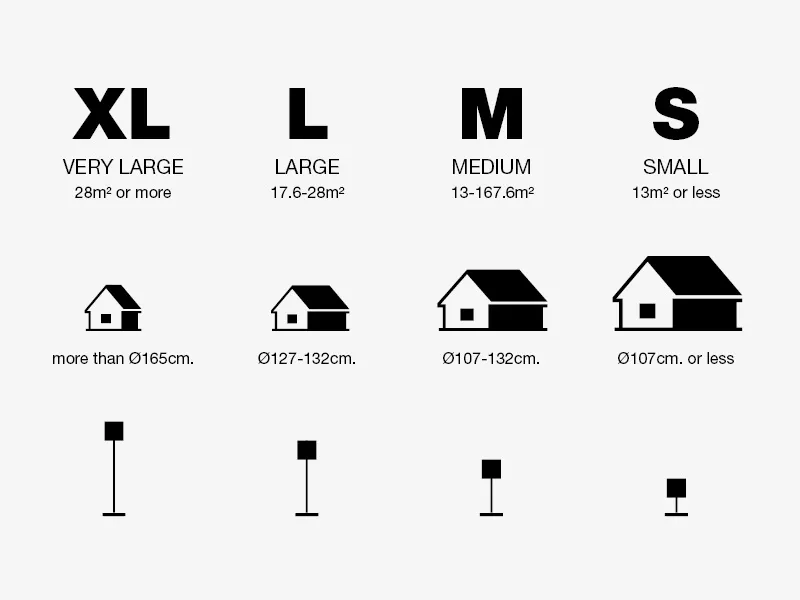
CFM depends on blade size, pitch, motor performance, and installation height. Always match the fan's airflow rating to the room size and intended use.
CFM Guidelines by Room Type
| Room Type | Area (sq ft) | Recommended CFM |
|---|---|---|
| Bedroom | < 150 | 2,000 – 3,000 CFM |
| Living room | 150 – 300 | 3,000 – 5,000 CFM |
| Open-plan space | > 300 | 5,000+ CFM |
| Outdoor porch | Varies | 3,500+ CFM |
Faro Barcelona fans offer high-efficiency airflow with quiet DC motors and reversible functions.

How to Measure Fan Performance: CFM, RPM and Efficiency
-
CFM (Cubic Feet per Minute): Volume of air moved per minute.
-
RPM (Revolutions per Minute): Speed of the motor—important, but not the only indicator.
-
CFM/Watt (Efficiency): How much air is moved per unit of power consumed. This is crucial for energy savings and sustainability certifications.
Many modern ceiling fans integrate DC motors, which provide more torque with less energy consumption and ultra-quiet performance.
Architectural and Aesthetic Considerations
-
Blade span and pitch should suit the proportions of the room.
-
Design finishes (wood, metal, matte, etc.) allow integration with interior schemes.
-
Control options: Wall control, remote, or smart integration (Wi-Fi, Bluetooth, or Casambi).
-
Lighting integration: Many models include dimmable LED kits for dual functionality.
Applications for Airflow Ceiling Fans
-
Hospitality: Enhancing guest comfort in hotel rooms, lobbies, or outdoor lounges.
-
Residential: Improving airflow in bedrooms, living areas or porches.
-
Retail/Commercial: Reducing HVAC loads in large open spaces.
Conclusion: Design with Airflow in Mind
Choosing the right airflow ceiling fan means balancing performance, aesthetics, and energy efficiency. From room size and CFM requirements to motor technology and design finishes, every detail matters in creating comfortable, sustainable spaces.
At Faro Barcelona, we specialize in the design and manufacturing of high-performance ceiling fans that combine technical excellence with Mediterranean-inspired aesthetics. Our collections feature silent DC motors, reversible airflow, and integrated lighting—all designed to elevate the experience of air movement in hospitality, residential, and contract environments.
Need support selecting the right fan for your project?
Contact our team—we’ll help you bring comfort, style, and smart airflow to your space.
