

To create functional, comfortable and visually appealing spaces, one of the key aspects to consider is lighting. Correctly defining the lighting points, the luminaires to be used, their style, location and function is not a secondary decision, but a process that must be planned from the very beginning in any residential lighting project.
A well-designed lighting project is essential for the final result to meet the initial expectations. Each room must fulfil its function with the appropriate level of visual comfort, avoiding mistakes that are difficult to correct later on. For this reason, certain decisions must be made from the outset, as they will directly influence the outcome of the project.
In this article, we share a series of practical recommendations to ensure that the lighting project for your home stands out for its functionality, comfort and aesthetic coherence.
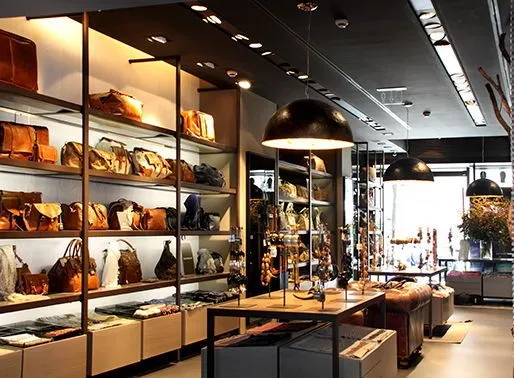
1. Plan the lighting points before starting
The first step in any residential lighting project is the correct planning of the lighting points. This phase not only defines the aesthetic result, but also helps avoid technical errors and later modifications.
For effective planning, it is essential to have a thorough understanding of the home and to analyse factors such as natural light, orientation and spatial layout. A good practice is to divide the home into zones according to use, defining the lighting requirements and the desired atmosphere for each one (work, rest, socialising, etc.).
2. Choose the most suitable lighting for each area
Kitchen
The kitchen requires functional and precise lighting. Regardless of its size, it is essential to provide uniform general lighting to ensure proper visibility throughout the space.
This general lighting should be complemented with task lighting in the work areas, where neutral or cool light (3700K–4000K) and luminaires with a high CRI (≥98) are recommended for accurate colour rendering.
In addition, incorporating LED strips inside cabinets and pantries enhances functionality and adds extra aesthetic value.
Living room and dining area
Living rooms and dining areas are often multifunctional spaces. For this reason, it is advisable to combine different types of luminaires and opt for warm colour temperatures that enhance comfort.
The use of dimmers allows lighting to be adapted to different times of day. The dining area may require higher light levels, while the living room benefits from more relaxed atmospheres created through accent lighting and auxiliary lights.
Study area
Work areas require carefully planned lighting to prevent visual fatigue. It is essential to provide adequate general lighting and complement it with a directional luminaire that focuses light on the work surface.
Avoiding glare and shadows is crucial, ensuring that the light does not come from behind the user, as this can cause visual discomfort.
Garden
The garden should also be included in the home’s lighting project. The same principles applied indoors should be extended to outdoor spaces:
- Light only where necessary.
- Differentiate areas according to use.
- Avoid over-lighting through efficient control systems.
In outdoor areas, three main types of lighting can be identified:
- Lighting for walking: path, access and perimeter lighting.
- Lighting for seeing: areas for activities or social gatherings.
- Lighting for enjoying: decorative and ambient lighting.
Circulation areas
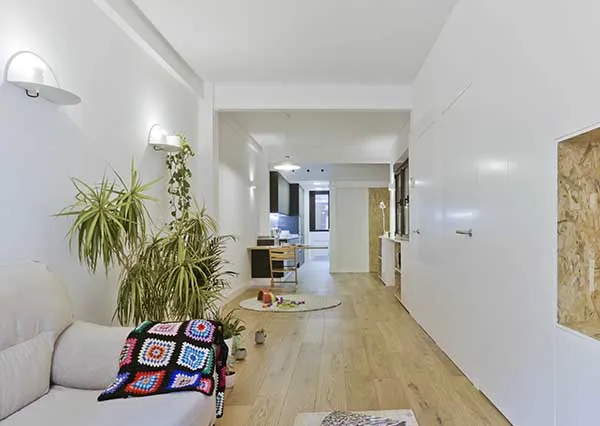
In pathways with walls or vertical surfaces, recessed or surface-mounted luminaires installed approximately 30 cm above the floor provide comfortable and safe illumination.
When no vertical surface is available, spike luminaires offer a practical and flexible solution, always ensuring correct installation with the appropriate technical components.
Bedroom with walk-in wardrobe
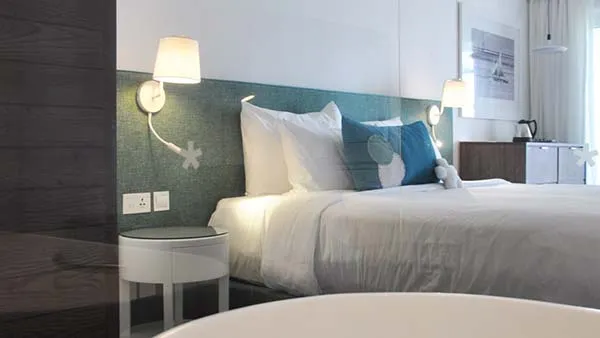
In bedrooms, it is advisable to prioritise soft ambient lighting and dedicated reading lights. Recessed luminaires above the bed should be avoided, opting instead for wall-mounted, table luminaires or LED strips.
In walk-in wardrobes and bespoke storage solutions, LED profile systems provide excellent visibility and a high level of customisation.
Bathroom
In the bathroom, it is important to maintain a uniform colour temperature. At the mirror, light should come from both sides to avoid shadows, while direct overhead lighting should be avoided.
In the shower area, comfortable, glare-free lighting is essential. Integrated LED strips in coves or niches are an effective and aesthetic solution.
3. Use dimming systems
Dimming systems allow lighting to be adapted to each moment and activity, enhancing comfort while optimising energy consumption.
They also make it easier to create custom lighting scenes and add greater flexibility to the project.
4. Avoid shadows and excessive lighting
Excessive light or poor distribution can undermine a well-designed space. Achieving the right balance between general, task and decorative lighting is essential for creating comfortable and coherent environments.
At FARO Barcelona, we put our expertise at your disposal to help you develop effective lighting projects, without risks or improvisation.
Count on us!
