

With the arrival of warmer weather, the outdoor areas of our homes come to life. Gardens, terraces and green spaces become welcoming and lively places to enjoy all kinds of activities: reading, meeting friends, spending evenings as a couple or simply relaxing and unwinding.
To make the most of their full potential, it is essential to know how to light a garden properly, enhancing aesthetics and comfort while also taking energy efficiency into account.
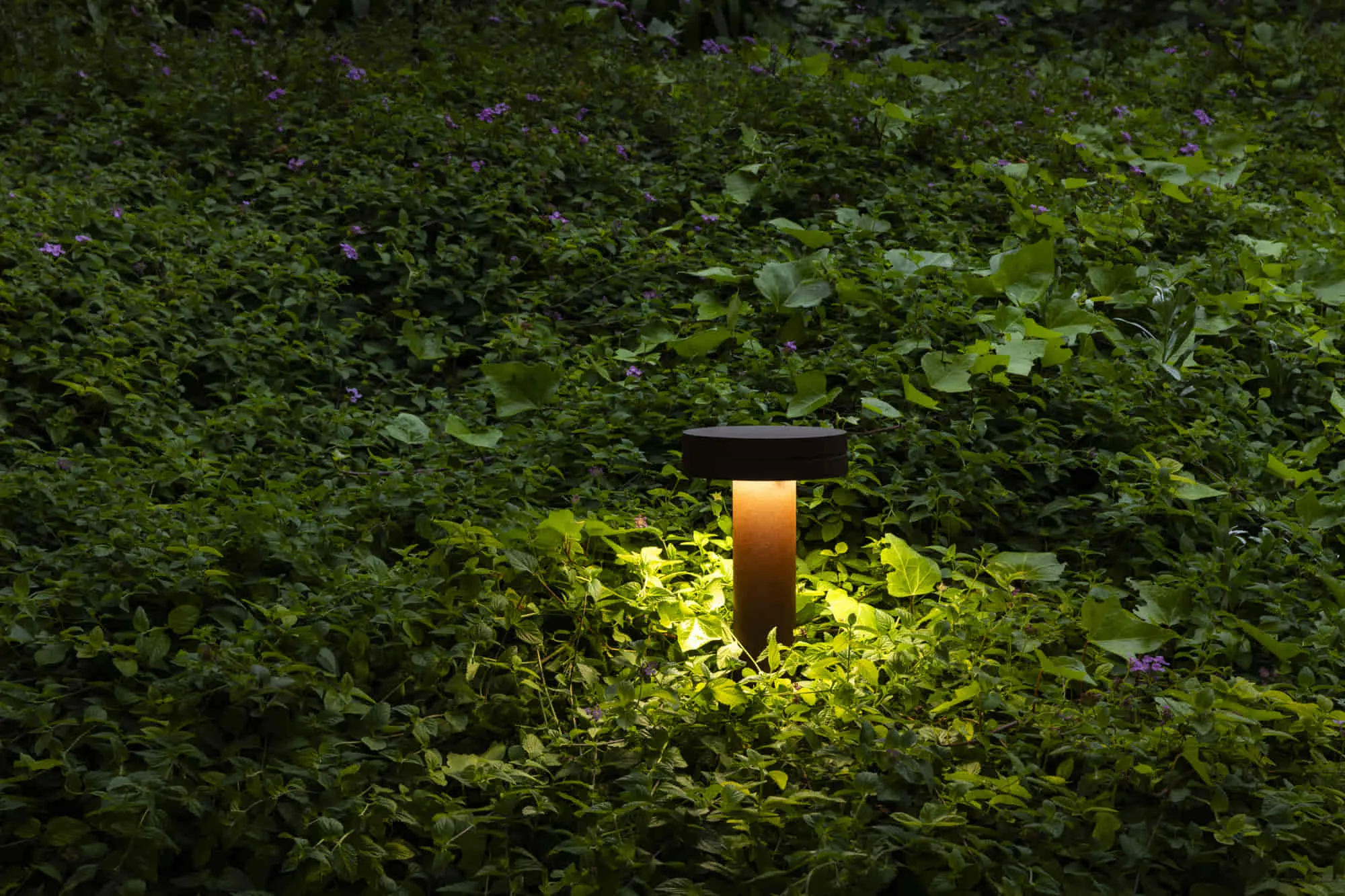
General tips for lighting a garden
Before selecting luminaires and defining their placement, it is important to understand a few basic principles that will help create balanced, functional and comfortable outdoor lighting.
Light only what is necessary
Garden lighting should follow similar criteria to indoor lighting: we light only where light is truly needed, differentiating each area according to its intended use.
During the day, gardens already benefit from natural light. At night, general lighting should not be flat or excessive, as this reduces depth and visual interest.
Light should be sufficient but never intrusive. This helps reduce light pollution and creates a more natural atmosphere, allowing you to enjoy moonlight and the night sky.
Practical tip: for mid-height light points, indirect or wall-grazing wall lights help prevent glare and improve visual comfort.
Suitable materials and IP rating
Outdoor luminaires must be designed to withstand environmental conditions. Choosing the right IP rating against water and solid objects is therefore essential.
In porches or semi-covered areas, an IP23 rating may be sufficient. In fully exposed areas or near water, such as swimming pools, it is advisable to use luminaires with IP65 or IP68, which ensure maximum protection.
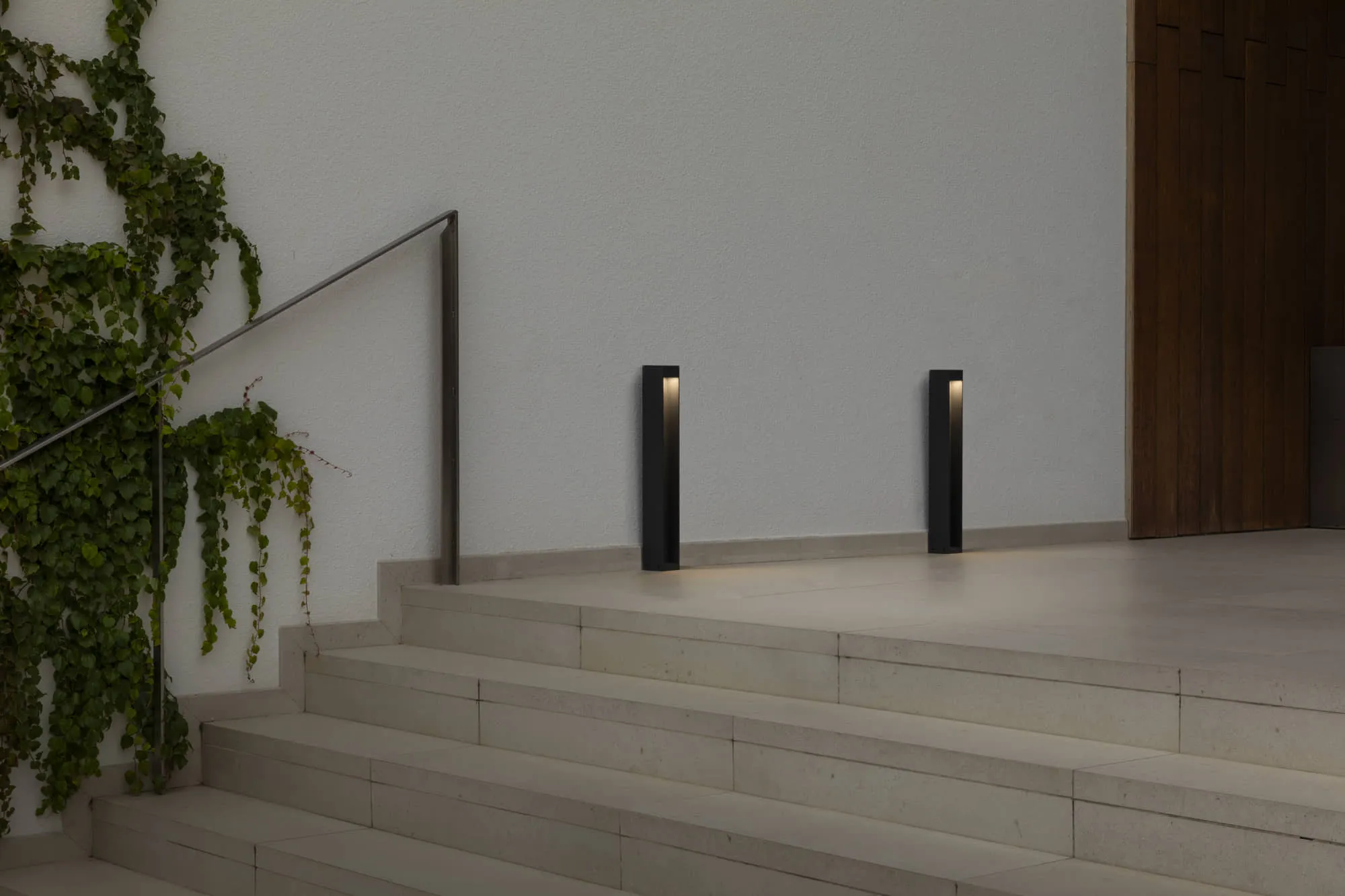
Lighting for safety
Beyond aesthetics, outdoor lighting plays a key safety role. It is important to properly illuminate entrances, pathways, walkways, steps and perimeters, making nighttime movement safer and reducing the risk of accidents.
Create a versatile and adaptable system
An intimate dinner, an informal meeting or a quiet evening outdoors all require different atmospheres. Designing a flexible lighting system allows the space to adapt to every occasion.
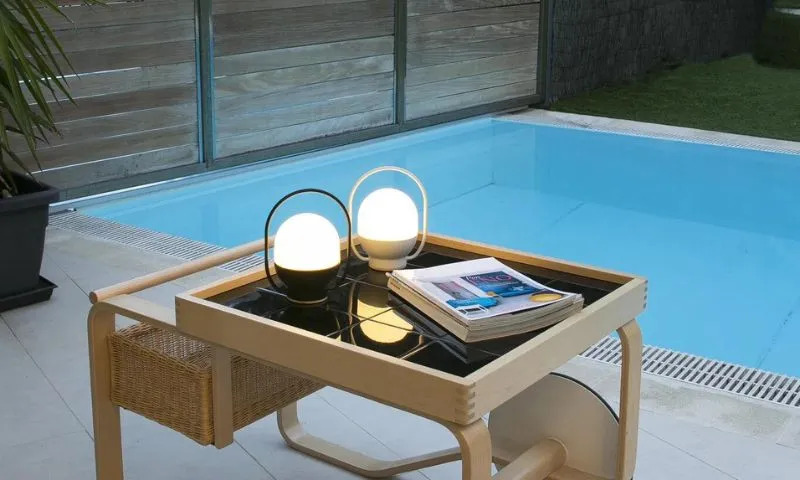
To achieve this, you can incorporate portable luminaires, which add flexibility, mobility and a more relaxed character to the garden.
Design a user-friendly installation
Proper distribution of control points is key. Installing multiple switches or independent circuits allows you to light only the required areas, improving usability and reducing energy consumption.
Sustainable and efficient lighting
Always choose luminaires with LED or low-consumption technology, offering higher efficiency, lower maintenance and a longer lifespan—especially important in outdoor installations.
---
Garden areas to be illuminated
Gardens are usually divided into different functional areas: circulation zones, meeting spaces, work areas and decorative elements. Each requires a specific lighting approach.
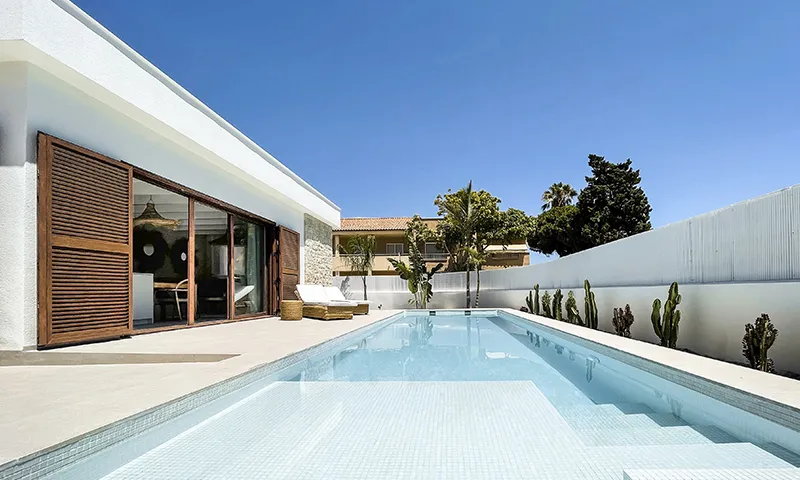
Project Mil Veranos | Studio Srta Rottenmeier
Access areas
Entrances and access points to the garden should be well lit using wall or ceiling luminaires, ensuring visibility and safety.
Floodlights with motion or dusk sensors can also be used, activating only when needed and contributing to energy savings.
Social areas: porches and dining spaces
These areas require warm and welcoming lighting. Wall lights, pendant lamps or floor lamps help create comfortable environments and encourage social interaction.
Pathways
Lighting for paths and walkways should be functional and discreet. Low-level or marker lighting illuminates the route without affecting the rest of the garden.
Bollard lights are an aesthetic and efficient solution for guiding movement through the space.
Work areas: barbecues and garages
These areas require clear and sufficient lighting. Low-consumption wall lights or floodlights provide suitable illumination for tasks that require extended use.
Accent areas: plants, fountains and sculptures
Decorative lighting highlights distinctive garden features. Adjustable spotlights or bollards help create light-and-shadow effects that add depth and character to the space.
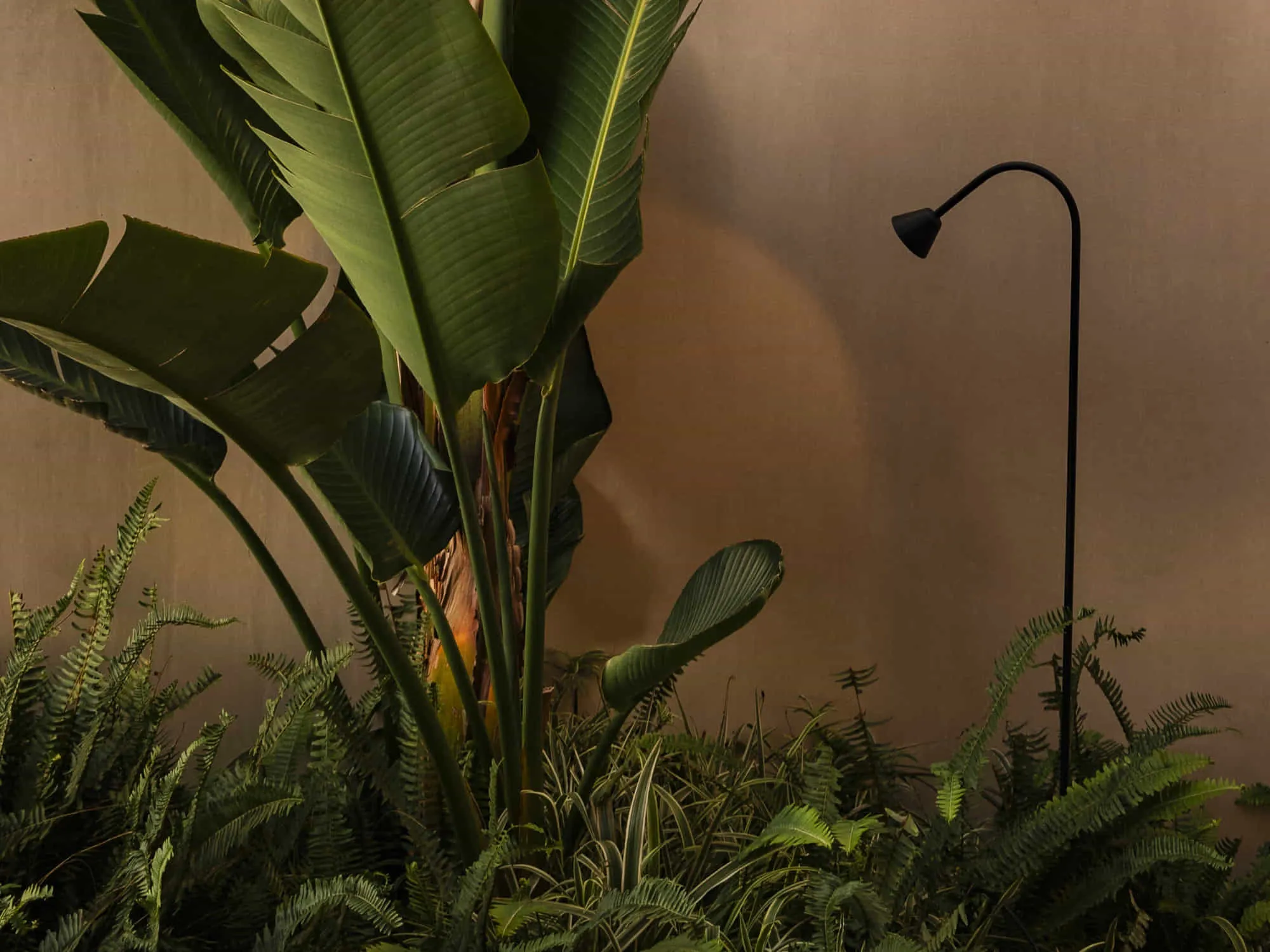
This more decorative lighting creates a welcoming atmosphere both in the garden and inside the home.
Around the swimming pool
In the pool area, it is advisable to combine functional and decorative lighting. Floor lamps, portable luminaires or light poles help create pleasant and safe environments.
Swimming pool
If the garden includes a swimming pool, proper lighting enhances its shape and colours. For white or blue pool finishes, colour temperatures between 4,000K and 4,500K are recommended.
Light levels should be carefully balanced, bearing in mind that water reflects light. It is preferable to avoid RGB spotlights and opt for cool tones, which deliver more elegant results.
LED strips are also an excellent option for subtly highlighting the pool perimeter.
At Faro Barcelona we offer a wide range of outdoor luminaires. Discover all the options or download our catalogue to find the most suitable solution for your project.
