

In both architecture and interior design, there are certain factors, such as the use of warm light, neutral light or cold light, that completely transform any space and offer infinite possibilities to create very different atmospheres.

Using the color temperature of light is undoubtedly one of the best ways to create completely different environments in the same place and, therefore, make spaces adapt to people and their needs at each point of the day.
In this sense, cold light is one of the most used in many areas and specific spaces, and here we explain everything you need to know about it to know how and when to apply it in your project.

What is considered cool light?
White light is divided into three shades: warm light, neutral light, and cool light, and is measured in Kelvin degrees. While the warm light is below 3,300 k and the neutral light is around 4,000 K, the cool light is found from 5,000 k onwards.
Cold light is perceived by the human eye with a more blueish hue, being more stimulating than warm light with green or orange hues, and that is precisely why it is recommended for use in areas where concentration and greater visibility and clarity are required. In this sense, cold light would be the most suitable in places such as hospitals, libraries, and offices, among others.
How to turn cold light into warm light?
Beyond the manuals that can be done to transform cold light lamps into warm light in a cheap and homemade way, there are some intelligent LED lights that can be dimmed, changing even the color temperature according to the needs you have in every moment.
The control and regulation systems of the lights allow not only to change manually from cold light to warm light when necessary but also to establish scenes with the exact light temperature for each activity or time of the day.
How to use cold light
Although until a few years ago cold light was used for almost any space, regardless of the atmosphere you wanted to create, nowadays it is limited to certain specific places where its use is very useful and comfortable, such as:
- Offices
- Workspaces
- laboratories
- hospitals
What these places have in common is the need to have sufficient visibility and lighting that promotes good performance, concentration and avoids visual fatigue.
Although there is still a certain tendency to use cold light in many spaces other than those mentioned, it is not recommended for homes, since the resulting atmosphere when using it is distant and uncomfortable in certain places. This cold light, therefore, is limited by regulations to very specific specialty areas.
Do you still have doubts about how to use the freezing light in your project? Contact us! In Faro Barcelona, we are experts in illumination in all kinds of spaces and we know perfectly the characteristics and applications of both cool light and warm and neutral light. Ask us about any doubt and you will ensure a functional space with maximum visual comfort.
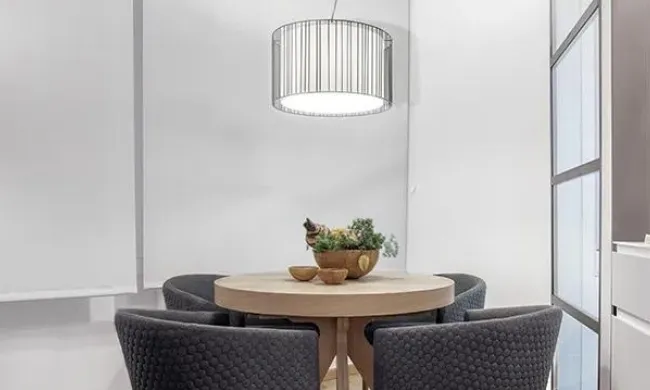
What is the difference between warm and cold light?
While the cold light, as we have said, is stimulating, the warm light causes completely opposite sensations to people. And it is that the warm light transmits calmness and relaxation and converts any place to cozy.
That is why cold light is not used in these spaces since its function and use have nothing to do with relaxation, but rather with visibility, concentration, and the fact of providing illumination that avoids fatigue and eyestrain.
Therefore, the fields of application of cold and warm light are very different, and the latter is reserved for places such as restaurants, hotels, waiting rooms, common areas, lounges, etc.
