

Lighting is an essential element in architecture. It’s not just a functional tool that brings light into spaces—it also enhances the aesthetic and sensory experience. Light plays a key role in achieving a successful architectural project.
Here’s everything you need to know about architectural lighting so you can use it effectively in your projects and create functional, appealing, and original spaces.
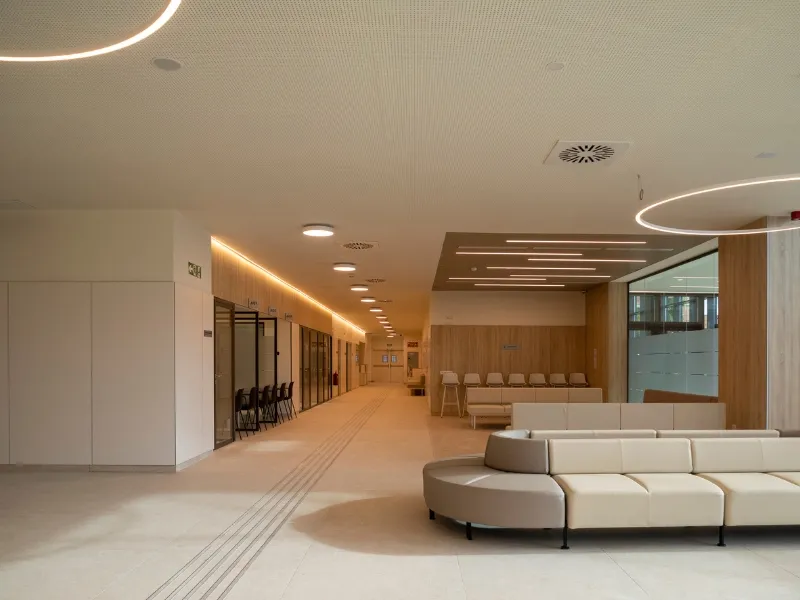
Vithas Turia Hospital | Lighting by Faro Barcelona | SERTA Arquitectos | Grupo Euring Ingenieros
What is architectural lighting?
Even though light has no physical form, it becomes part of architecture as a core design element. Light has the power to influence our senses and shape how our brain perceives spaces and forms.
That’s why architectural lighting gives us the ability to reimagine, transform, expand, or shrink spaces using only visual effects.
It also lets us adapt any space to people's specific needs at any given moment by offering different lighting types for every activity.
Definition and goals in space design
More than decorative light
Unlike decorative lighting, which follows aesthetic or trendy criteria, architectural lighting is all about synergy with the architecture itself. Each fixture is selected based on its functionality, light output, and ability to blend with the design language.
Interior and exterior design connection
Designers and architects use lighting as a creative tool. Indoors, it highlights materials, outlines surfaces, and adds visual comfort. Outdoors, it can turn buildings into night-time landmarks, improve safety, and define entrances and pathways.
Lighting methods in architecture
Architectural lighting can take many forms:
1. General lighting
This is a uniform and even lighting solution that doesn’t create shadows or contrasts. It’s often paired with accent, direct, or indirect lighting in specific areas based on how the space is used.
2. Accent lighting
This is focused or directional light used to highlight specific objects or areas by creating contrast with the rest of the space.
With this type of architectural lighting, you can shape light and shadow to emphasize design elements and define space volumes.
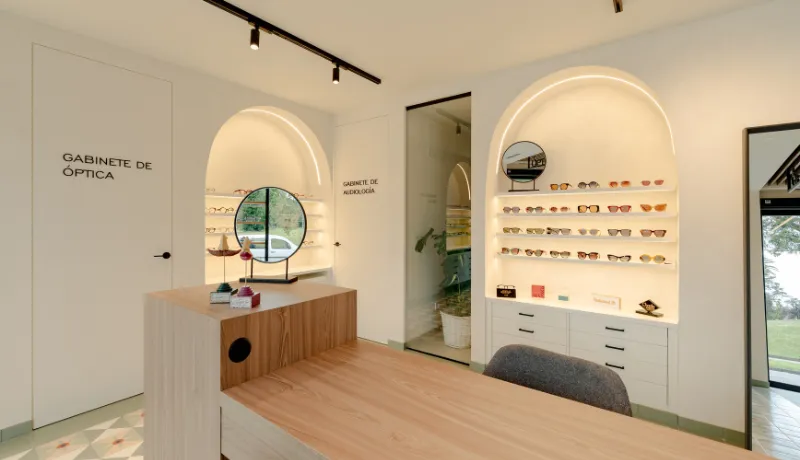 Pharmacy in Astillero | Lighting by Faro Barcelona | Maaf Estudio
3. Direct lighting
Direct lighting doesn’t create shadows or glare—it offers the perfect balance between brightness and uniformity. It’s the ideal complement to other architectural lighting systems, enhancing visibility for task-specific zones.
4. Indirect lighting
This lighting method projects light onto another surface, so the beam isn’t directly visible—creating excellent visual comfort.
It’s perfect for highlighting architectural features and adding soft ambiance in spaces where a relaxing mood is desired.
Architectural lighting trends
Technology is reshaping how we light our spaces. Lighting now adapts to people’s rhythms, activities, and even their health. Here are some of the top architectural lighting trends:
1. Smart & contact-less lighting
Smart lighting is one of the most efficient ways to use artificial light. Through automation and smart home systems, you can cut energy costs while creating personalized lighting scenes for every moment—easily and intuitively.
It’s one of the biggest game-changers in architectural lighting thanks to its functionality and efficiency.
2. Human-centric lighting
It might sound futuristic, but artificial light can now align with our natural circadian rhythms, just like natural daylight does.
The goal of architectural lighting here is to create health-focused lighting that respects human cycles and supports wellness and quality sleep.
3. Solar lighting
Today’s architectural projects prioritize sustainability. Solar-powered lighting is becoming more common thanks to its energy efficiency, low maintenance, and reduced environmental impact.
Outdoor projects often use solar fixtures—like path lights or markers—to enhance nighttime visibility and safety.

Tini Living | Lighting by Faro Barcelona
4. Li‑Fi
Li‑Fi proves that light can be more than light. It’s a technology that transmits data through visible light using LED bulbs that blink at a speed the human eye can’t detect.
Think of it as the Wi‑Fi equivalent for light—except it uses a bulb instead of radio waves.
Practical applications
Interior architecture
-
Residential: highlights premium materials, guides visual flow, and promotes well-being.
-
Retail & Contract: directs user movement, accentuates key areas, and strengthens brand identity.
-
Hospitality: combines visual comfort with sensory atmosphere to elevate the experience.
Façades and outdoor spaces
-
Lighting a façade isn’t just about brightness—it’s about reinterpreting architectural elements at night: rhythm, structure, textures, and materials.
-
Outdoor pathways, entrances, and rest zones should be planned with functional lighting while keeping the building’s overall aesthetic in harmony.
Architectural lighting in action
Our flagship projects
-
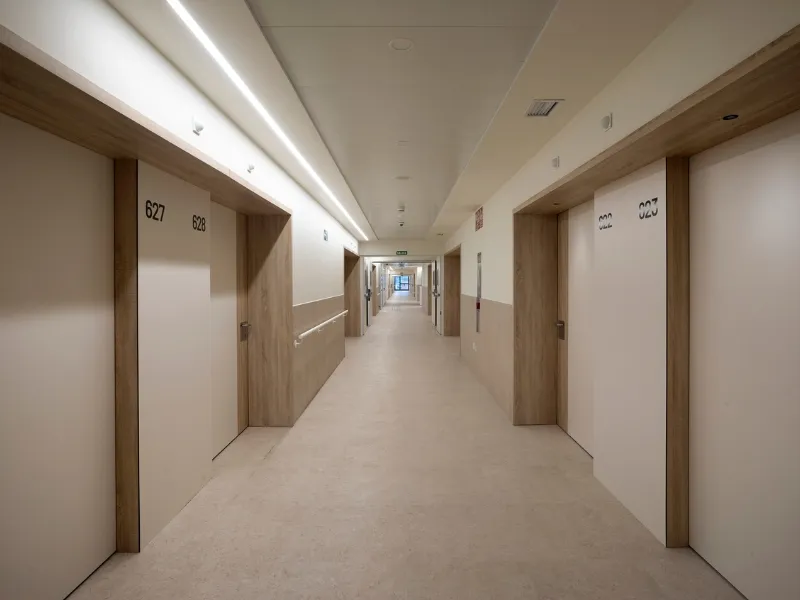
Vithas Turia Health Center, Valencia: A comprehensive lighting project by our in-house team, covering every hospital area—from common spaces to operating rooms. The design prioritizes not only functionality and safety, but also light temperature and visual harmony to create comfortable environments that aid recovery and optimize clinical operations.
-
Cuoco Spazio Showroom, Madrid: Designed by Arquitalia, this space uses a single rail system to integrate various architectural lighting types. It adds depth, nuance, and functionality—enhancing each zone according to its purpose and enriching the visitor experience.

-
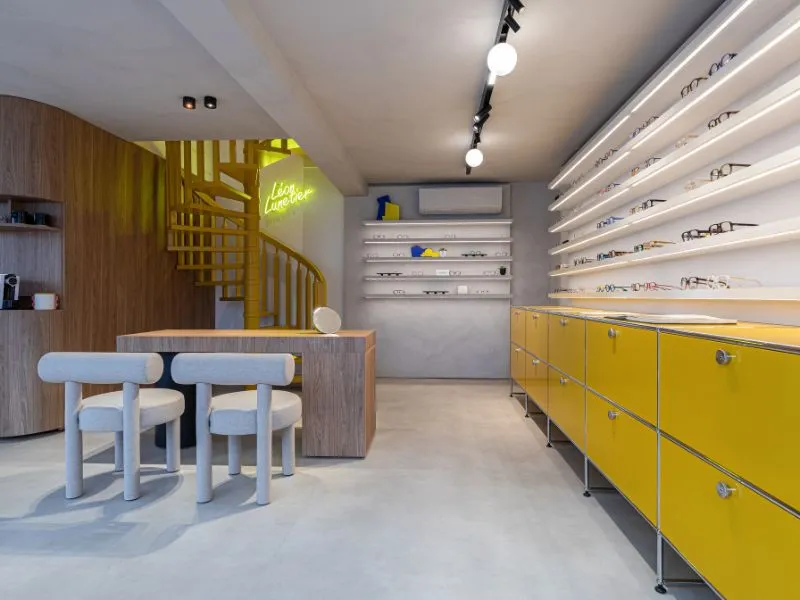
Leon Lunetier Optical Store, France: A lighting project by Détail Studio that brings attention to key spatial features and guides the eye directly to the products.
Contact us
Want to know more about architectural lighting or need help applying it to your next architecture project? At Faro Barcelona we’re here to help and guide you. Reach out now.
