

The material, shape, light and colour temperature, among other things, are key factors in facade lighting.
The appearance of a building's facade changes throughout the day as natural light varies and strikes it in different ways. This means that lighting must also adapt to highlight details and the architecture effectively at all times. As the face of a building, the facade lighting should reflect its identity.
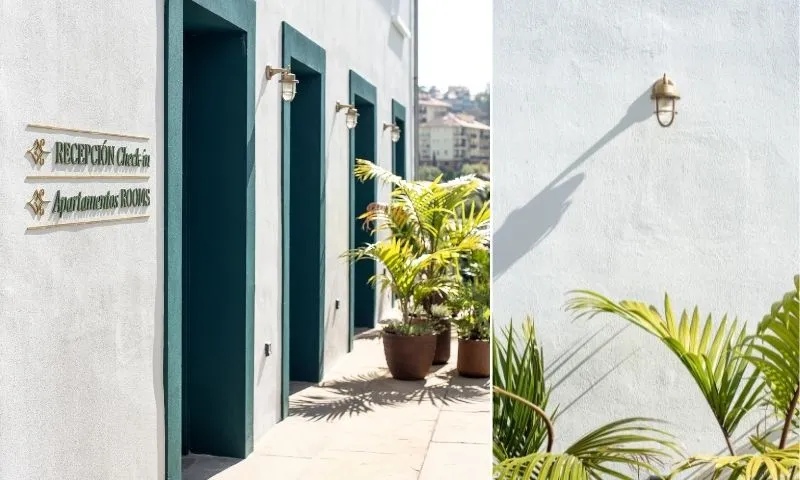
Project: Fuente Real | Interior design: Pardo Interior
Facade lighting can serve an aesthetic or functional purpose. If the goal is aesthetic, the lighting must tell a story. In the case of landmark buildings or monuments, it may even change based on special occasions.
Conversely, functional lighting typically involves installing luminaires at the entrance, with the main goal of providing visibility and safety.
This is why using various lighting distributions and control systems that adapt to different times of day is crucial in facade lighting design.
Below, we explain everything you need to know about how to light a facade so it stands out for its architectural details, enhances the building’s appeal, and captures attention. Keep reading!
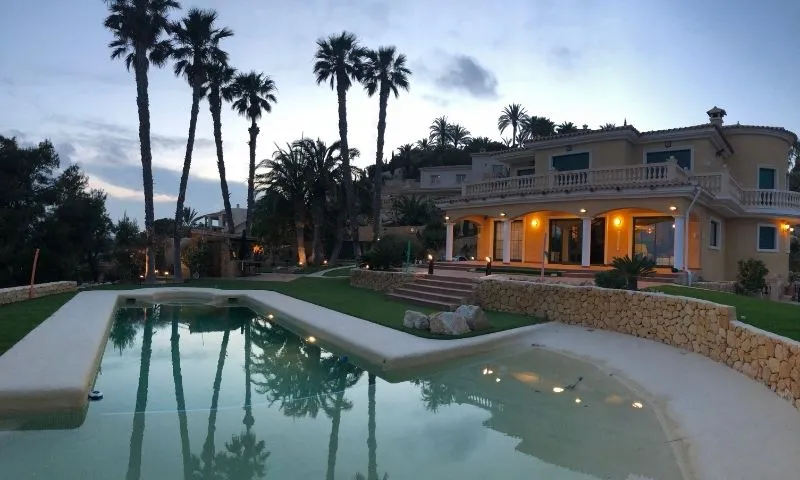
Project: Coveta Fumá | Architects: Electro.mar
How to light a facade?
The most recommended approach for facade lighting is to use direct light or accent lighting. These techniques help highlight key architectural elements and enhance the texture and depth of the facade.
Recessed luminaires
Recessed fixtures are among the most popular for facade lighting. They provide direct light and are designed with high protection ratings, suitable for outdoor use. However, they should only be used when there’s enough space and always include anti-glare accessories to avoid disrupting pedestrian traffic.
Facade floodlights
Perfect for accentuating details and avoiding shadows, floodlights should be installed at an appropriate distance depending on the shape of the facade. Thanks to compact LED technology, they can be discreetly positioned wherever necessary.
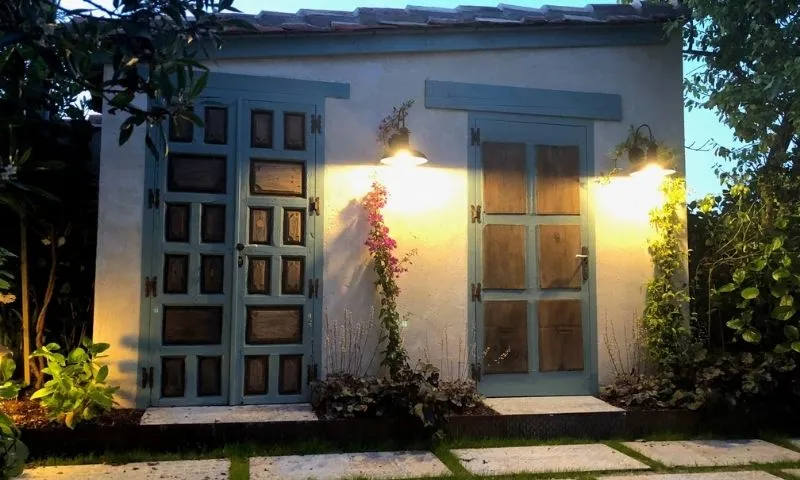
Project: Residence in Cantabria | Distributor: Hermanos Vega Díaz
Wall sconces
Used as decorative elements, sconces highlight specific areas of the facade. They are a good choice when space is limited and offer visual interest to otherwise flat surfaces.
Linear luminaires
Especially effective on balconies, cornices, and modern buildings, linear luminaires are often used to create striking architectural lighting effects, such as illuminated edges or lines of light.
LED facade lighting
LED technology is a sustainable and efficient option that offers extensive possibilities for customising facade lighting with different colours, beam angles, and intensities.
LEDs are available in many formats, including slimline profiles and adjustable spotlights. By adjusting the light temperature, intensity, and direction, you can tailor the effect to each building’s unique characteristics.
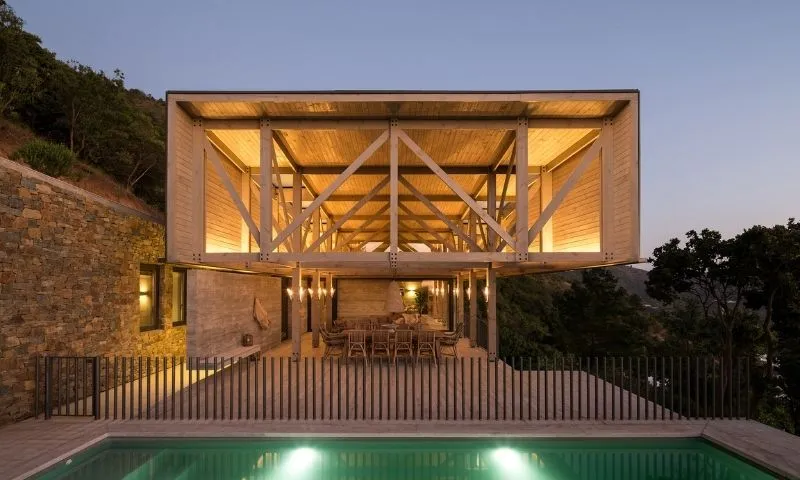
Project: Parque Los Boldos | Distributor: Opendark. Light&Life | Photography: Nico Saieh
Smart lighting: an added value
Smart lighting systems are increasingly integrated into modern architecture. In facade lighting, they offer clear advantages, such as:
- Reducing energy consumption by up to 70%
- Adjusting light levels based on time of day or environmental conditions
- Improving user experience with dynamic lighting scenes
- Allowing for full personalisation and scheduling of lighting scenarios
With smart lighting, your facade becomes a living element of architecture. Use the latest technology to ensure your building stands out with originality, personality, and sustainability.
At Faro Barcelona, we can advise you on the best luminaires for your facade and how to get the most out of your lighting project. Don’t hesitate to contact us!
