

What Is Dark Sky Compliant Lighting?
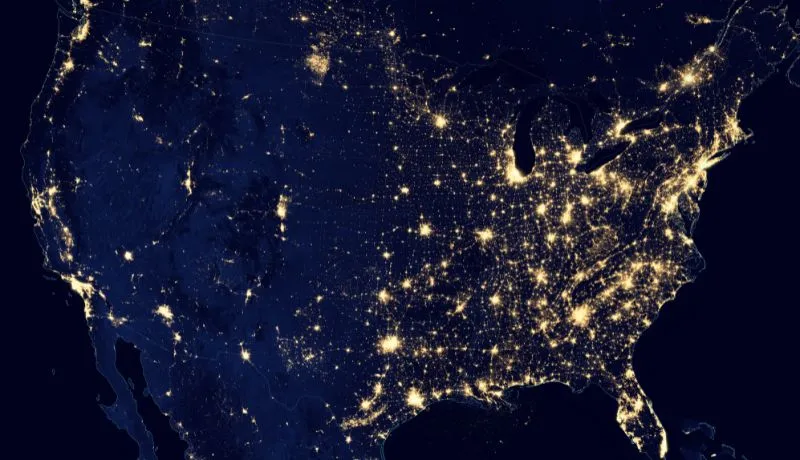
Dark sky compliant lighting refers to fixtures and systems designed to minimize light pollution, especially upward light that disrupts night skies. These luminaires follow the guidelines set by the International Dark-Sky Association (IDA) to preserve natural darkness in outdoor environments.
The main goals are to:
-
Prevent light trespass into the night sky
-
Limit glare and over-illumination
-
Protect nocturnal ecosystems
-
Improve visibility and safety without excessive brightness
Core Principles of Dark Sky Lighting Design
To be Dark Sky compliant, luminaires must meet criteria such as:
-
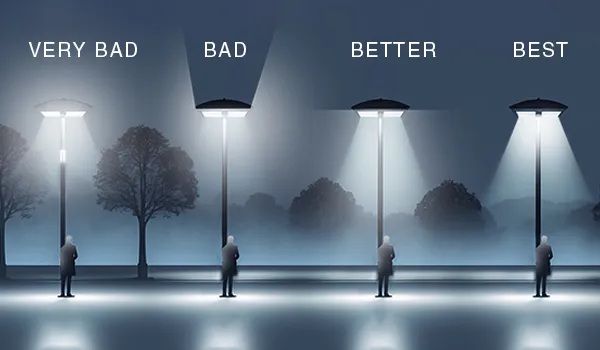
Full cutoff optics
No light emitted above 90° from the horizontal plane. -
Correlated Color Temperature (CCT) ≤ 3000K
Warmer light reduces blue spectrum scattering and its impact on humans and wildlife. -
Shielding and directional control
Fixtures should illuminate only where needed—no spill into windows or sky. -
Lighting controls
Timers, motion sensors, and dimming protocols help reduce unnecessary light output.
These standards apply to outdoor applications: parking areas, parks, pathways, hospitality exteriors, residential streets and more.
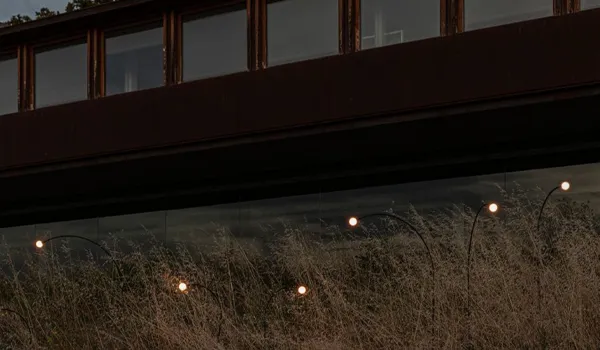 CUCA by Faro Barcelona
Benefits for Architects and Project Developers
-
Meets environmental planning regulations in light-restricted zones
-
Enhances sustainability credentials (useful for LEED and WELL certifications)
-
Improves night-time visibility without glare
-
Protects circadian health for building occupants and local fauna
-
Supports local ordinances and IDA recognition (Dark Sky Community status)
How to Specify Dark Sky Compliant Fixtures
When selecting outdoor lighting:
-
Look for certified IDA-compliant luminaires
-
Check optics and shielding diagrams
-
Specify 2700–3000K LEDs with low UGR
-
Request IES files to simulate glare, directionality and cutoff
-
Ensure zero uplight and B.U.G. rating compliance (especially U = 0)

Manufacturers like Faro Barcelona offer exterior luminaires that integrate subtle design with full shielding and warm light for dark sky applications.
Applications and Case Scenarios
-
Hospitality: Path and façade lighting in resorts near nature preserves
-
Urban: Residential neighborhoods with local ordinances limiting light trespass
-
Parks and trails: Bollards and low-glare fixtures for safety without overlighting
-
Retail and parking lots: Smart systems that dim after peak hours
