The connection with nature is an intrinsic part of our existence. As we move towards a more urban and technological world, it's important to remember our roots and seek ways to integrate natural elements into our daily lives.
Biophilic design is an innovative approach that combines nature and architecture to create sustainable and healthy indoor spaces.
In this article, we will explore the concept of biophilic design and how special lighting plays a fundamental role in its implementation.

What is Biophilic Design
Biophilic design is based on the idea that humans have an innate connection to nature. It seeks to integrate natural elements like light, plants, and organic materials into indoor spaces to create healthier and more stimulating environments.
One key aspect of biophilic design is special lighting, which plays a vital role in the well-being and performance of people occupying these spaces.

Project: Impact Hub Málaga | Architecture and Lighting: Carmen Cilveti and Lidia Álvarez
Patterns of Biophilic Design
Patterns of biophilic design are strategies used to incorporate natural elements into interior design. Some of these patterns include:
- Incorporation of natural light
- Presence of greenery
- Use of sustainable materials
- Creation of outdoor spaces within buildings.
These patterns are based on scientific studies that demonstrate the benefits of having contact with nature and how it can improve our health and well-being.
The Benefits of Biophilia in Our Lives
Biophilia has a significant impact on our lives. Incorporating natural elements into indoor spaces can:
- Reduce stress
- Improve mood
- Increase productivity
- Promote creativity
Furthermore, studies have shown that the connection with nature can speed up healing in healthcare environments and improve sleep quality.
Biophilic design allows us to live in harmony with our surroundings and enhance our quality of life.
Examples of Biophilic Architecture
Biophilic architecture has been used in a variety of projects around the world. Some notable examples include:
Bosco Verticale, Milan, Italy
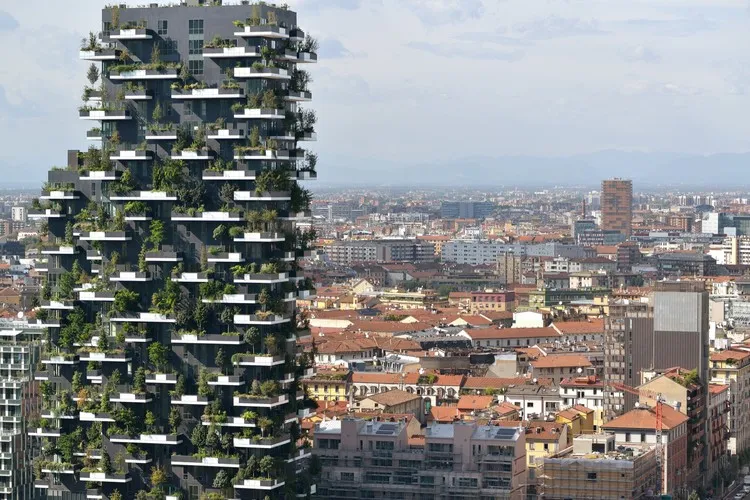
Bosco Verticale, designed by architect Stefano Boeri, is a project that aims to integrate nature into a dense urban environment. This innovative residential complex consists of two towers covered in trees and plants on every balcony. With over 900 trees and 20,000 plants, Bosco Verticale not only provides a stunning visual impact but also contributes to improving air quality and creating a beneficial microclimate for residents.
Gardens by the Bay, Singapore
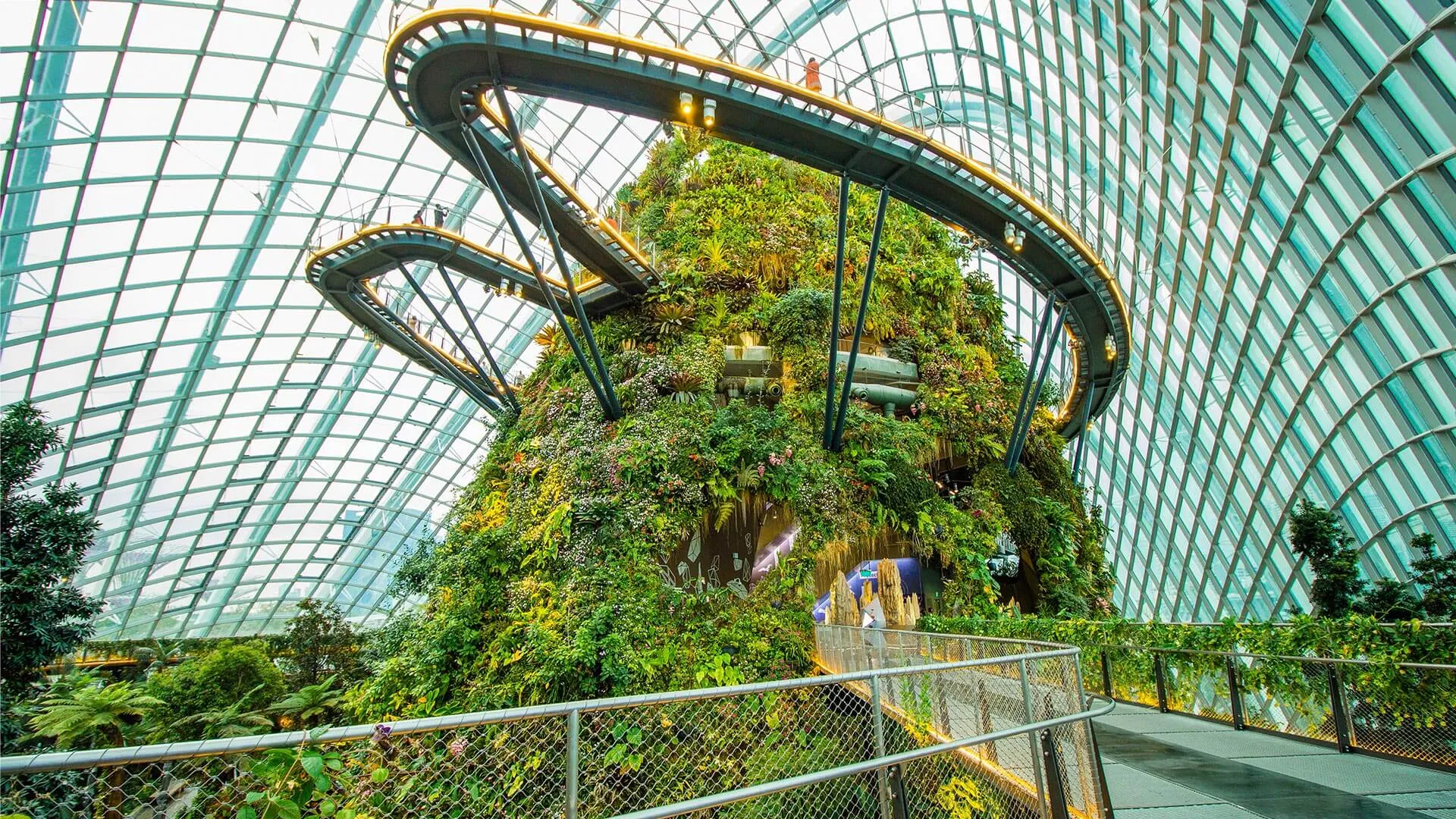
Gardens by the Bay is a magnificent example of biophilic architecture that combines cutting-edge design with natural elements. This futuristic park features enormous structures called "Supertrees," covered in climbing plants and hosting vertical gardens. These structures are not only visually stunning but also serve as solar energy collectors and rainwater harvesters, contributing to the sustainability of the place.
Amazon Spheres, Seattle, United States
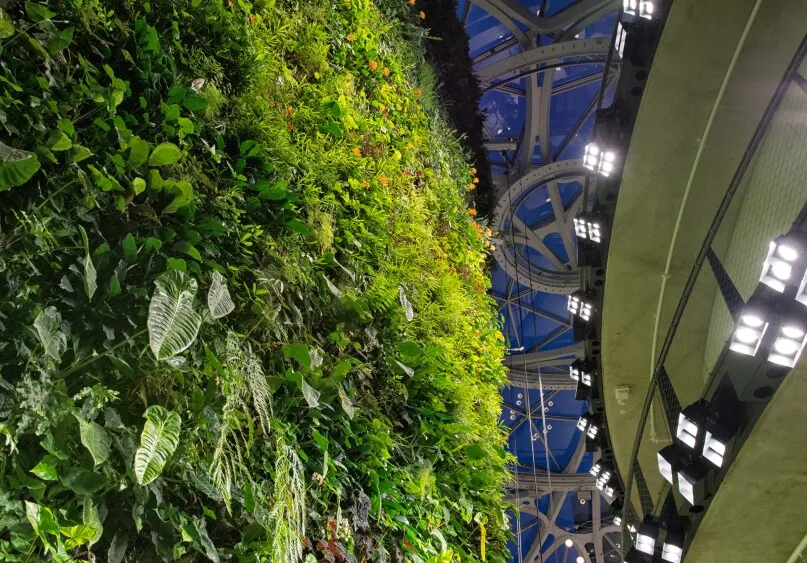
The Amazon Spheres are a flagship project by Amazon at their Seattle headquarters. These glass spheres house a lush interior garden with thousands of species of tropical and subtropical plants. The design of the spheres aims to recreate a natural ecosystem inside the building, providing employees with a stimulating work environment connected to nature.
The Challenge of Lighting in Biophilic Interior Design: Plant Maintenance
Nature indoors is an essential element that brings freshness and vitality to the space. Therefore, one of the most significant challenges in biophilic interior design is plant maintenance.
Plants require natural light to survive and thrive. In indoor environments, artificial lighting plays a crucial role in simulating the characteristics of natural light. It is necessary to find the right combination of intensity, light spectrum, and duration to provide plants with the necessary lighting for healthy growth.
This technology used to emit violet light since plants primarily feed on red and blue spectrums, providing healthy lighting for plants but with poor color reproduction and user-friendliness.
With the advancement of this technology, we can now offer a visible spectrum of white light, providing the necessary support for proper plant development.
This technology opens up many more possibilities for these biophilic environments, which were previously limited to plants with low light requirements, restricting the creation of environments for architects and interior designers.

Project: Impact Hub Málaga | Architecture and Lighting: Carmen Cilveti and Lidia Álvarez
Features of Special Lighting for Biophilic Design
Special lighting for biophilic design must have certain features:
- Artificial lighting with chromatic control to emulate light cycles
- Dimmable light to adapt to the needs and activities of the indoor space
- Optimization of natural light as much as possible
- Technologies that reproduce the appropriate light spectrum
Light sources that best mimic natural light emit light with a high photon flux density (PFD). PFD is measured in photons per square meter per second (μmol/m²/s) and is used to quantify the amount of light available for photosynthesis. This measure takes into account the light spectrum and is considered more relevant for plant growth. A photon flux density range of approximately 50-150 μmol/m²/s is usually sufficient to maintain healthy growth in most office plants.
The color temperature is also crucial for creating a pleasant and relaxing atmosphere. The color temperature of light ranges from warmer to cooler, expressed in Kelvin (K). Higher Kelvin values indicate cooler light that resembles daylight more closely.
The combination of natural and artificial light in biophilic design can improve people's health and well-being. Typically, the use of cooler light is ideal for environments requiring greater concentration, while warm light is oriented towards relaxation and tranquility.
Recommended Faro Barcelona Luminaires
At Faro Barcelona, we have expanded our range of luminaires by incorporating the Leaf option into our TARGET and VIA EVO lines. These luminaires, of a more technical nature, are designed to promote plant growth, flowering, and fruiting. Thanks to new technologies, this type of lighting, which used to be identified by a violet tone, has been optimized to achieve a natural color temperature that does not interfere with people's visual comfort.
-
TARGET LEAF

The TARGET Leaf projector is a lighting system that offers the possibility to adjust the light point precisely. This makes it ideal for illuminating plants located in separate points, directing the halo of light directly to each plant according to their needs. Additionally, a set of Leaf spotlights can be used to illuminate a vertical garden. It is a versatile system suitable for different configurations.
-
VIA EVO LEAF
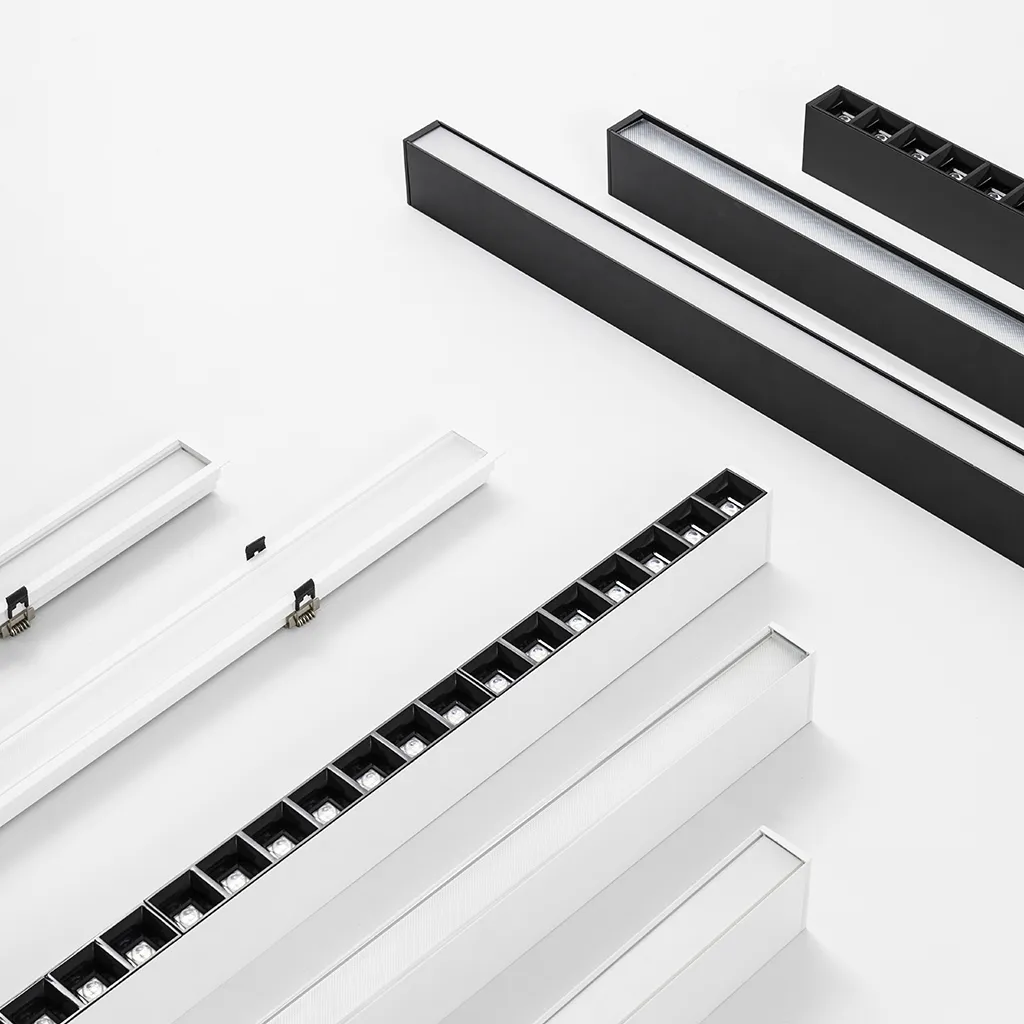
VIA EVO Leaf is designed for spaces with a larger number of grouped plants. The light is distributed evenly, allowing uniform illumination of all plants in the area. This is beneficial when many plants are placed close together, and it is necessary to ensure that all receive the appropriate amount of light.
Project Consultation
Need help with your project? At Faro Barcelona, we offer consulting services to master the application of lighting in the most suitable way, considering the contribution of natural light or the selection of plants for your project.