In any architectural and interior design project it is necessary to take into account an infinite number of elements so that the resulting space is fully functional, comfortable, and practical. In this sense, lighting design is a factor that plays an important role and should not be overlooked.

Throughout the day, we use different types of lighting for each task we want to perform, and however little light it is, it is an important element in every moment that influences not only in our activity but also in the environment, in the atmosphere that is created and in our state of mind.
Precisely for this reason, lighting design is the key to success in any architectural or interior design project, and here we explain everything you need to take into account to get the best results.
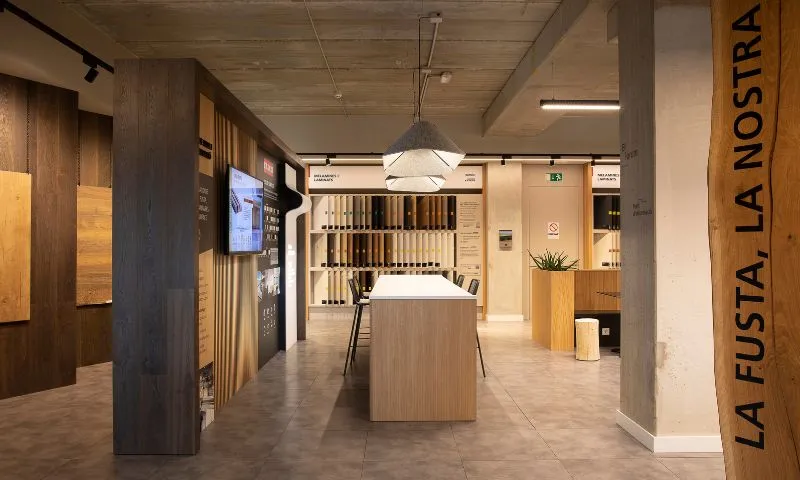
Project: Dròm Living | Photography: Jordi Play | Luminaire: FONOVIA
What does lighting design consist of?
Lighting design is a process that is part of any architectural and interior design project where the designer has to know all the important aspects of lighting that can influence a space.
It is about considering factors such as the type of space, the colors of the walls, floors, and floors, or the lights that will be used, among other things. Taking this into account, questions such as what type of light is needed in each area, what lights will be used, there will be the points of light, or what atmosphere is intended to be achieved with each type of lighting to be added will have to be determined.
In addition, it will be necessary to reflect on the use of lighting control systems or the possibility of creating scenes so that the same space can adapt to the different needs that people have throughout the day.
In short, lighting design is a question of seeking maximum comfort in space, taking into account how light will influence this.
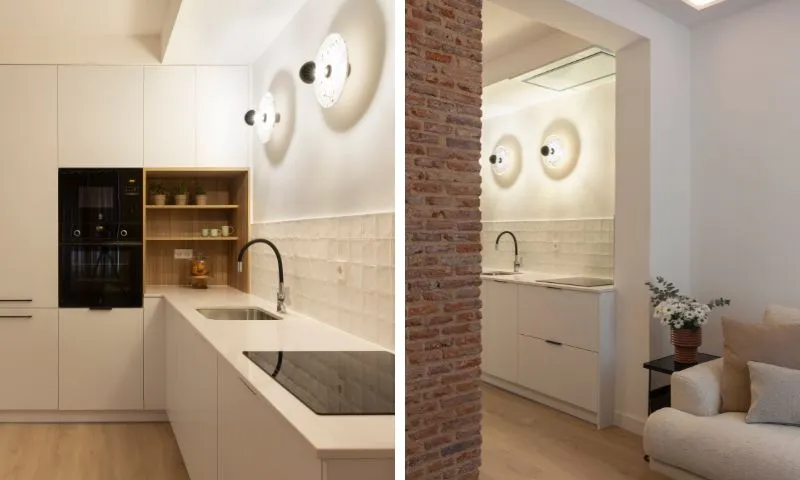
Project: Nash Arquitectura | Luminaire: CONFETTI
Who is in charge of lighting design: Lighting Designer
The figure of the lighting designer is of vital importance in lighting design. This is a professional who has a deep knowledge of lighting, but also, to a certain extent, of decoration, interior design, and architecture.
The lighting designer is a profile that works together with the designer or architect to translate, through their knowledge in lighting, the ideas, and spaces that they have in mind.
Therefore, this figure would be responsible for advising architects and interior designers with the lighting systems, types of lights, light points, and other necessary elements to create the right atmosphere in a place. And to achieve the expected results of lighting design, it is important that this person has extensive knowledge about the characteristics of light and each light, about how each type of light influences a space, shapes, and colors, etc.
Reasons to design the illumination
To count not only with an adequate lighting design but also with the figure of the lighting designer, it is important to make sure that a project completes some characteristics such as:
- To have the appropriate lighting levels for each space.
- That each of the areas is practical and pleasant.
- That people feel comfortable with each activity they do in a certain place.
- That as a result, the specific atmosphere that was sought in each place is obtained.
What the lighting design avoids
To achieve uniform lighting, to avoid shadows or dark spots, and, in short, to have lighting comfort in space are issues that can only be achieved with lighting design.
Although lighting is not the central element in architecture and interior design, it is a factor that must accompany and help to create a specific atmosphere, and its bad planning could cause some problems such as:
- Bringing an unpleasant light or conveying confusing sensations.
- Having an excess of illumination.
- Having poorly lit and poorly visible areas.
- To provide lighting that promotes eyestrain.
- To spoil the interior design or the architecture of the space with unexpected contrasts.
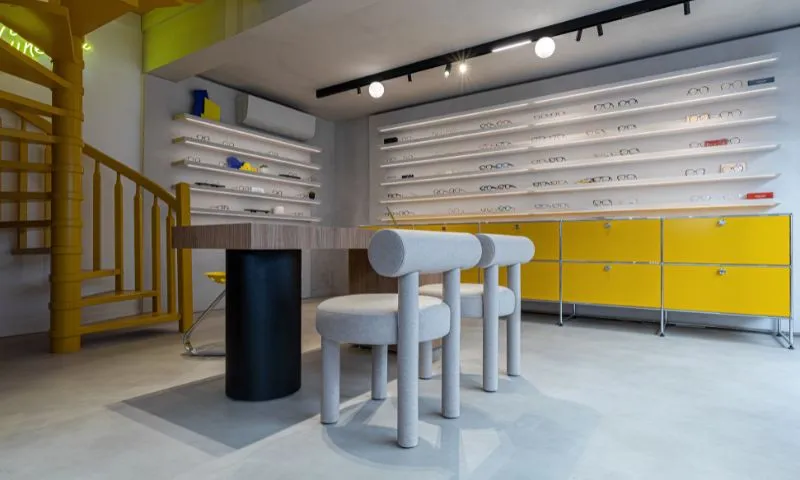
Project: Dètail Studio | Luminaire: NESO
How to plan the lighting design
At the time of planning the lighting design, the most advisable is to take into account aspects such as:
- The fulfillment of the lighting levels.
- The control of the lighting.
- The points of light.
- The uniformity of the light.
- Energy efficiency.
- The aesthetic result
At FARO Barcelona we have professionals with a wide knowledge about all the aspects that have to be taken into account in the lighting design of a project. We can advise you and translate each of your ideas in any space always achieving the best comfort and functionality of an architectural or interior design project.
Do not hesitate to contact us and we will make sure that the lighting makes your work a sure success.